


Alternatives to Pain Medication for Back Pain: What May Help

You don’t have to choose between putting up with back pain and relying only on medication. If pain is making it harder to move, sleep, or manage daily tasks, exploring alternatives to pain medication for back pain can be a practical next step. Medication may still have a role, but it isn’t the only option.
It’s reasonable to wonder which approaches may help, how to choose among them, and when trying self-care could delay care you need. This guide covers realistic non-drug options, including movement and exercise, heat, and hands-on care such as chiropractic adjustments. No approach works for everyone, so consider your symptoms, health, comfort, and everyday goals when weighing your options.
You’ll find steps for choosing a safe place to start, whether that means gentle self-care or guidance from a health professional. You’ll also find signs that back pain needs prompt medical attention, so trying an alternative doesn’t mean ignoring a more serious problem.
Table of Contents
Back Pain Relief: Alternatives to Medication
Non-drug care includes options used instead of medication or alongside it. Depending on your situation, that might mean adjusting how you move, using heat for comfort, working with a physical therapist, or considering hands-on care. Choosing these options isn’t a test of willpower, and it doesn’t mean medication is wrong for you. The goal is to find a safe, practical way to manage pain and support the activities that matter in your day.
It’s reasonable to have concerns about side effects, interactions with other medicines, or taking medication longer than you’re comfortable with. At the same time, prescribed medication can help some people when used as directed. The right balance depends on factors such as how long the pain has been present, what may be contributing to it, your health history, other medicines you take, and how you respond to care.
Back pain can have different causes and patterns. A general overview of Back pain can help explain why care varies, but an online overview can’t determine what is causing your symptoms. A short-lived episode and pain that keeps returning may call for different next steps, even if both affect the same part of your back.
When back pain calls for a different approach
A brief flare may ease as you gradually return to ordinary activities. Recurring or persistent pain may deserve a closer look, especially if it limits work, sleep, or movement. That doesn’t mean you should assume a particular diagnosis. The pattern of your pain and its effect on daily life are useful details to share with a health professional.
Pain relief manages symptoms; it doesn’t always identify or treat the cause of back pain. Relief matters, but so does function. You may want to sit through a meal, get dressed, sleep more comfortably, or move with less hesitation. Those goals are related, but not identical. A change in pain is one measure of progress; what you can do safely in daily life is another.
No single alternative works for everyone. An approach that feels comfortable and useful for one person may not suit another. Consider what you want to improve, how your symptoms behave, and whether a proposed option fits your health needs. If pain is worsening or disrupting normal activities, professional guidance can help you choose what to try instead of relying on guesswork.
Alternatives do not always mean stopping medication
Non-drug care can complement a medication plan made with a clinician. You don’t need to choose between medication and every other form of support. If you’re considering a change, talk with the prescriber first. Don’t stop a prescribed medication abruptly without discussing it, since the safest approach can depend on the medicine and your circumstances.
Medication decisions are personal, particularly when you have other health conditions or take more than one medicine. Share your concerns plainly, including side effects or worries about continued use. A clinician can help weigh those concerns alongside your symptoms and discuss whether alternatives to pain medication for back pain make sense alone or as part of a broader plan.
Non-Drug Back Pain Options: Movement, Heat, and Mind-Body Care
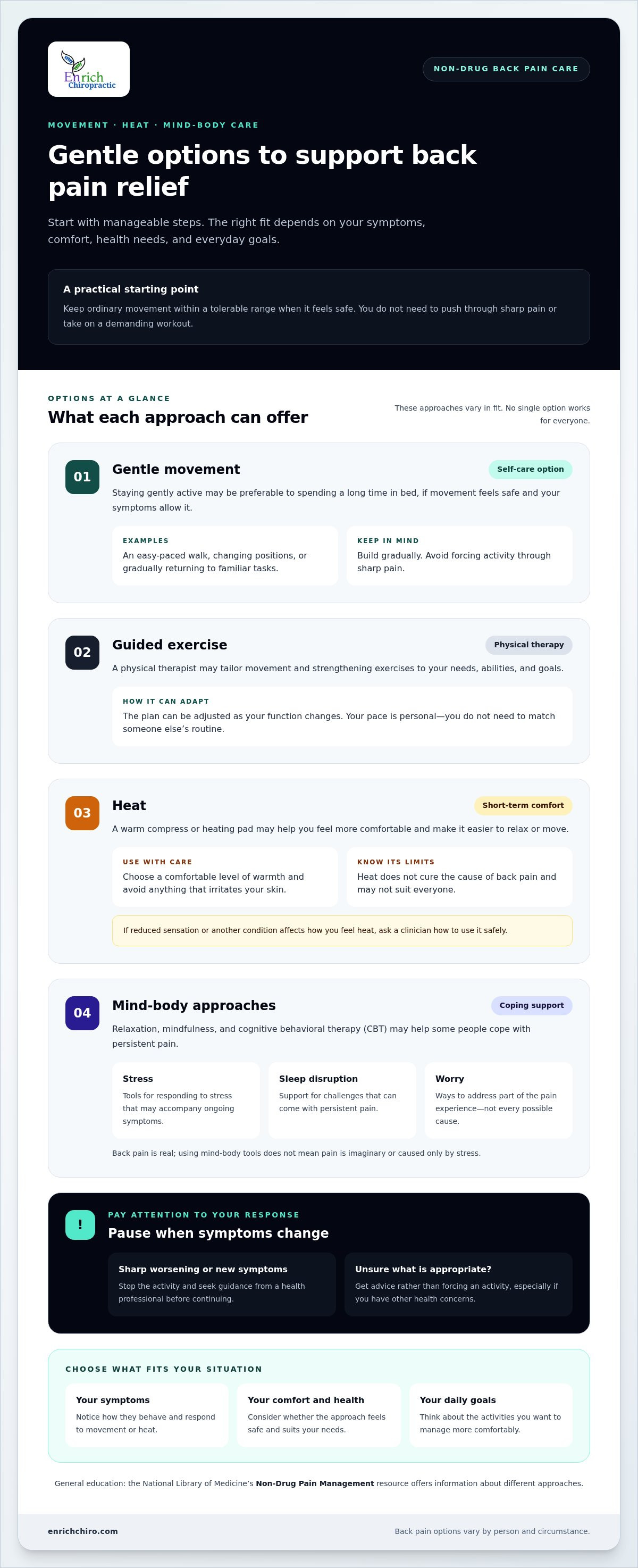
Small, manageable steps can be a useful place to begin. With back pain, gentle movement is often preferable to staying in bed for a long time, if movement feels safe and your symptoms allow it. That doesn’t mean pushing through sharp pain or starting a demanding workout. Aim to keep ordinary movement within a tolerable range and build from there. A short walk around the home, changing positions, or easing back into familiar tasks may be more realistic than trying to do everything at once.
Gentle movement and guided exercise
Choose or discuss activities you can adjust to your comfort, such as walking at an easy pace or gradually returning to your usual routine. Physical therapy can provide more structure. A physical therapist may tailor movement and strengthening exercises to your needs, current abilities, and goals, then adjust them as your function changes. The right pace is personal. You don’t need to match someone else’s routine to make progress.
Notice how your body responds. If an activity sharply worsens your pain or brings on new symptoms, stop and seek guidance from a health professional before continuing. If you’re unsure whether an activity is appropriate, especially if you have other health concerns, get advice rather than forcing it.
Heat is another simple option to consider. A warm compress or heating pad may provide short-term comfort and make it easier to relax or move. It doesn’t cure the cause of back pain, and it won’t suit everyone. Use a comfortable level of warmth and avoid anything that irritates your skin. If you have reduced sensation or another condition that affects how you feel heat, ask a clinician how to use it safely.
Heat and mind-body approaches
Relaxation practices, mindfulness, and cognitive behavioral therapy (CBT) may help some people cope with persistent pain. They can offer ways to respond to stress, sleep disruption, or worry that may accompany ongoing symptoms. This doesn’t mean pain is imaginary or caused only by stress. Back pain is real, and mind-body tools address part of the experience, not every possible cause.
These approaches vary in format and fit. Some people prefer a guided class or support from a trained professional; others find a quiet breathing practice more accessible. You can learn more about different approaches through the National Library of Medicine’s Non-Drug Pain Management resource. Use it as general education, not a personal treatment plan.
Walking, tailored exercise, heat, relaxation, mindfulness, and CBT are common self-care options, but the safest and most useful choice depends on your symptoms and individual needs. Try one manageable change at a time and note what feels helpful or aggravating. If back pain is making movement difficult, a one-on-one chiropractic visit for back pain in Kennesaw is another option to consider as part of your care.
Comparing Hands-On Care, Physical Therapy, and Other Options
There’s no single non-drug approach that suits every person or every type of back pain. The American College of Physicians’ guidance considers pain duration when discussing care, and different options may have different levels of supporting evidence. Compare options by what they aim to do, what participation they involve, and whether they feel practical for you. A comparison can help clarify your questions, but it isn’t a ranking or a substitute for individual guidance.
What hands-on chiropractic care may involve
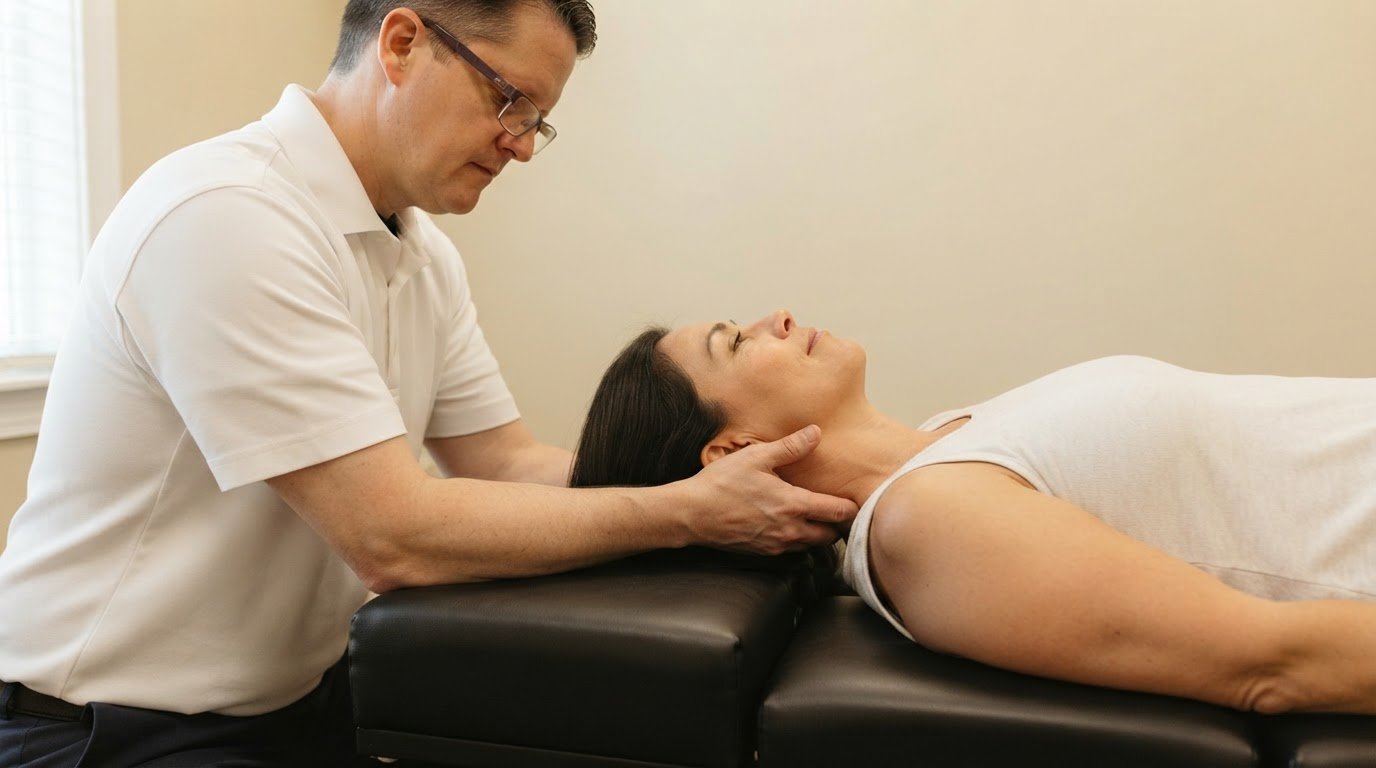
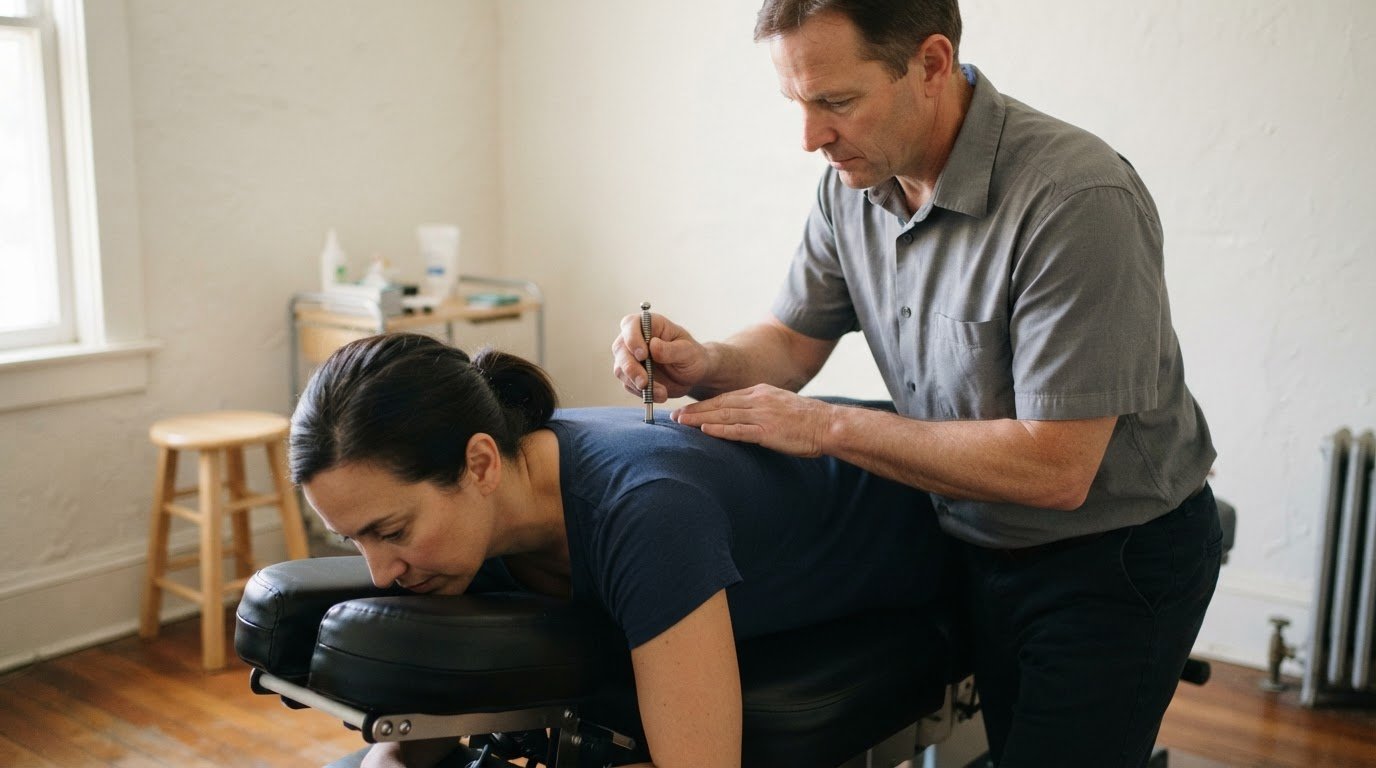
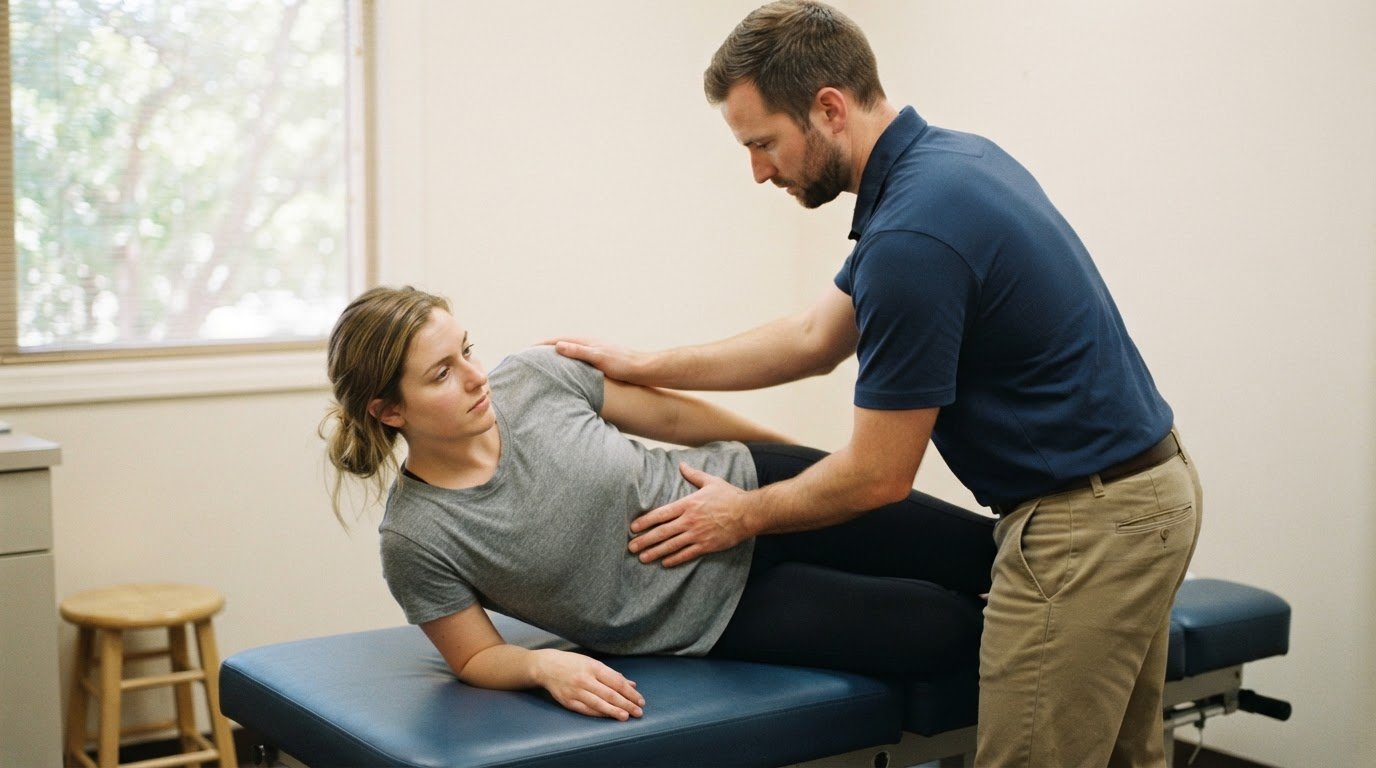
Spinal manipulation is a hands-on technique used by trained practitioners. It involves applying controlled movement to the spine. Enrich Chiropractic provides gentle, one-on-one adjustments for back pain in Kennesaw. An adjustment isn’t guaranteed to relieve pain, address every possible cause, or replace medication. It’s one option to consider in light of your symptoms, comfort, and overall care.
How to think about evidence and personal fit
Guidelines don’t treat every option as equally suitable in every situation. Recommendations can vary with pain duration and the strength of evidence for a particular approach. Practical fit matters too. Consider whether care is accessible, whether you’re comfortable with hands-on treatment, and whether you can take part in exercises or appointments. The American Society of Anesthesiologists also outlines approaches in its Non-Opioid Treatment for Chronic Pain resource.
Think about what you want care to help you do, such as walking more comfortably or returning to a usual task. Then discuss possible benefits, limits, and safety considerations with an appropriate health professional. If your back pain travels into your leg, you can learn about local back pain care options related to sciatica and leg pain.
If you’re considering gentle, individualized hands-on care in Kennesaw, explore one-on-one chiropractic care with Dr. Rich.
A Safer Plan for Trying Back Pain Medication Alternatives
Trying a non-drug approach is safer when you have a clear way to notice how you respond and know when to get help. Use these steps to guide your next move. They aren’t a diagnosis or a substitute for medical advice, but they can help make a conversation with a clinician more focused.
Check for urgent symptoms first. New problems controlling your bladder or bowels, numbness around the groin or saddle area, or worsening weakness in a leg need urgent medical assessment. Seek urgent care for severe back pain after a significant injury, or pain with concerning symptoms such as fever or feeling seriously unwell. Don’t wait to see whether a home approach helps if these symptoms are present.
Write down what’s happening. Note when the pain began, whether it followed an event, what seems to trigger or ease it, and how it affects sleep, movement, work, or daily tasks. Record changes, including new symptoms or a growing impact on your routine. A brief, honest log can help a clinician understand the pattern without relying on memory alone.
Choose one manageable approach. If there are no urgent warning signs and the activity feels appropriate, start with one change, such as an easy walk, a gradual return to a usual task, or another option already discussed with a professional. Avoid a rigid, universal program. Changing one thing at a time makes it easier to notice whether it feels helpful, uncomfortable, or difficult to maintain.
Review your response and seek support. Reassess if pain persists, worsens, or substantially interferes with daily life. Stop an activity that sharply increases pain or brings on new symptoms, and get guidance. A clinician can help you weigh next steps based on your symptoms and health history.
Keep medication decisions with your care team
Non-drug care doesn’t require you to change a medication plan on your own. If you’re concerned about side effects, interactions, or whether a medicine is still appropriate, discuss it with the prescriber or a pharmacist. Don’t change the dose, take it differently, or stop a prescribed medicine without checking with the prescriber. This is especially important if you take other medicines or have ongoing health conditions.
Know when routine follow-up is enough
Not every episode calls for emergency care. If symptoms are stable but aren’t improving, keep returning, or make everyday tasks hard, arrange routine professional guidance. Bring your notes and explain what you’ve tried and how your body responded. If new weakness, saddle-area numbness, bladder or bowel changes, severe injury-related pain, or concerning systemic symptoms appear, seek urgent medical care.
A thoughtful plan for alternatives to pain medication for back pain can combine self-care with timely professional input. If you’d like to discuss one-on-one chiropractic care for back pain in Kennesaw, schedule a visit with Dr. Rich.
Personalized Back Pain Care in Kennesaw: Your Next Step
Learning about non-drug options can help you narrow down what you want to discuss. If hands-on care is one possibility you’re considering, an individual visit gives you time to explain what your back pain feels like and how it affects your daily life. It’s a chance to talk through your concerns without assuming that one approach fits everyone or that chiropractic care must replace medication.
What an individual chiropractic visit can offer
Dr. Rich provides one-on-one care for back pain, including gentle chiropractic adjustments. A visit can focus on when your symptoms began, which movements affect them, and what everyday activities have become difficult. Sharing what you hope to get back to, whether that’s sitting more comfortably or managing routine tasks, helps keep the conversation relevant to you.
Care is individualized, not a guaranteed medication replacement or a promise of a particular result. You can discuss whether an adjustment feels like a reasonable option for your situation and raise questions about your comfort or concerns. Enrich Chiropractic provides care on a per-visit basis, without long-term treatment plans. If knowing what happens during an appointment would help you feel prepared, review what to expect at a first chiropractic visit.
Bring a few notes about your symptoms, what tends to aggravate or ease them, and how they affect sleep, movement, or work. Mention any new or changing symptoms, relevant health concerns, and medications you take. That context can make it easier to discuss whether chiropractic care belongs alongside other steps you’re considering as alternatives to pain medication for back pain.
Simple access for Kennesaw-area residents
Enrich Chiropractic serves people in Kennesaw and nearby communities, including Acworth, Woodstock, and Marietta. Walk-ins and same-day appointments are available, including Sundays, offering a straightforward way to seek a visit when you’re ready to discuss back pain care. You can decide whether this hands-on option feels appropriate for your needs. There’s no need to commit to a long-term treatment plan to start a conversation about care.
Chiropractic care isn’t a substitute for urgent medical assessment. If you have new loss of bowel or bladder control, numbness around the saddle area, progressive leg weakness, or severe pain after a significant injury, seek urgent medical care rather than waiting for a chiropractic visit. For other concerns, an individual discussion can help you consider your options without pressure or a promise of results.
If you’d like to discuss gentle, one-on-one chiropractic care for back pain, connect with Enrich Chiropractic.
Choose a Next Step That Feels Manageable
Back pain can make planning feel difficult. Keep your next step small and realistic. You might write down the main question you want answered, note what you hope to do more comfortably, or arrange a conversation about care options. You don’t need to settle every decision at once. A useful plan can start with understanding what fits your symptoms and what you feel ready to try.
Exploring alternatives to pain medication for back pain isn’t about following a single path or proving you can manage without medication. It’s about finding a thoughtful way forward, with professional guidance when you need it. If you’d like to talk through whether chiropractic care could be one part of your next step, request a visit with Enrich Chiropractic.
Progress may begin with one clear question and a conversation that takes your concerns seriously. Take the next step at a pace that feels right for you.
Frequently Asked Questions
Can I manage back pain without taking medication?
Sometimes, yes. Whether non-drug care is enough depends on your symptoms, health, and how your pain changes. For example, if a mild flare is settling and you can keep up with basic activities, you may choose to discuss self-care and movement with a clinician before considering other steps. If pain gets worse, disrupts daily life, or comes with concerning symptoms, seek medical guidance rather than relying on home care alone.
Is chiropractic care an alternative to pain medication for back pain?
Chiropractic care may be one option to discuss, but it isn’t a guaranteed replacement for medication or a fit for every cause of pain. Your comfort with hands-on care and your personal health situation matter. If you’re considering chiropractic care in Kennesaw, Acworth, Woodstock, or Marietta, share your symptoms and relevant health history during the discussion. A healthcare professional can help you understand how it may fit with other care.
What is the best natural alternative to pain medication for back pain?
There isn’t one best natural option for everyone. For ongoing back pain, structured exercise is a well-supported approach, but the right type and pace depend on your abilities and symptoms. A practical starting point is to choose an activity you can do safely and consistently, rather than following an intense routine that doesn’t suit you. Ask a clinician for guidance if you’re unsure what is appropriate.
Can I stop taking prescribed pain medication if I try other treatments?
Don’t stop or change a prescribed medicine on your own. Contact the prescriber before changing the dose or schedule, even if you’ve started another treatment or feel better. A pharmacist can also answer medication questions, including how a medicine should be taken with your other prescriptions. Keep a current list of medicines and supplements handy so your care team can consider the full picture.
How long should I try home care before seeking help for back pain?
There’s no single waiting period that’s right for everyone. Arrange routine medical guidance if pain isn’t improving, keeps returning, or makes everyday tasks difficult. Seek help sooner if symptoms worsen or you’re concerned about a change. New bowel or bladder control problems, numbness around the saddle area, or progressive leg weakness need urgent medical assessment. Severe pain after a significant injury also calls for prompt care.
Can stress make back pain feel worse?
Stress can affect how pain feels and how well you cope with it, but that doesn’t mean the pain is imaginary or caused only by stress. Tension, poor sleep, and worry can make daily activities feel harder. Notice whether difficult days also bring changes in sleep or stress, and mention the pattern to a clinician. Support for coping or relaxation may be useful alongside care for physical symptoms.
Is heat or ice better for back pain?
Neither is best for everyone. Heat may feel soothing when your back feels tight, while a wrapped cold pack may feel more comfortable during a recent flare. Try the option that feels better, and stop if it irritates your skin or increases discomfort. Don’t apply extreme heat or cold directly to skin. If sensation is reduced or you have a condition affecting circulation, ask a clinician for safe-use advice.
Comments